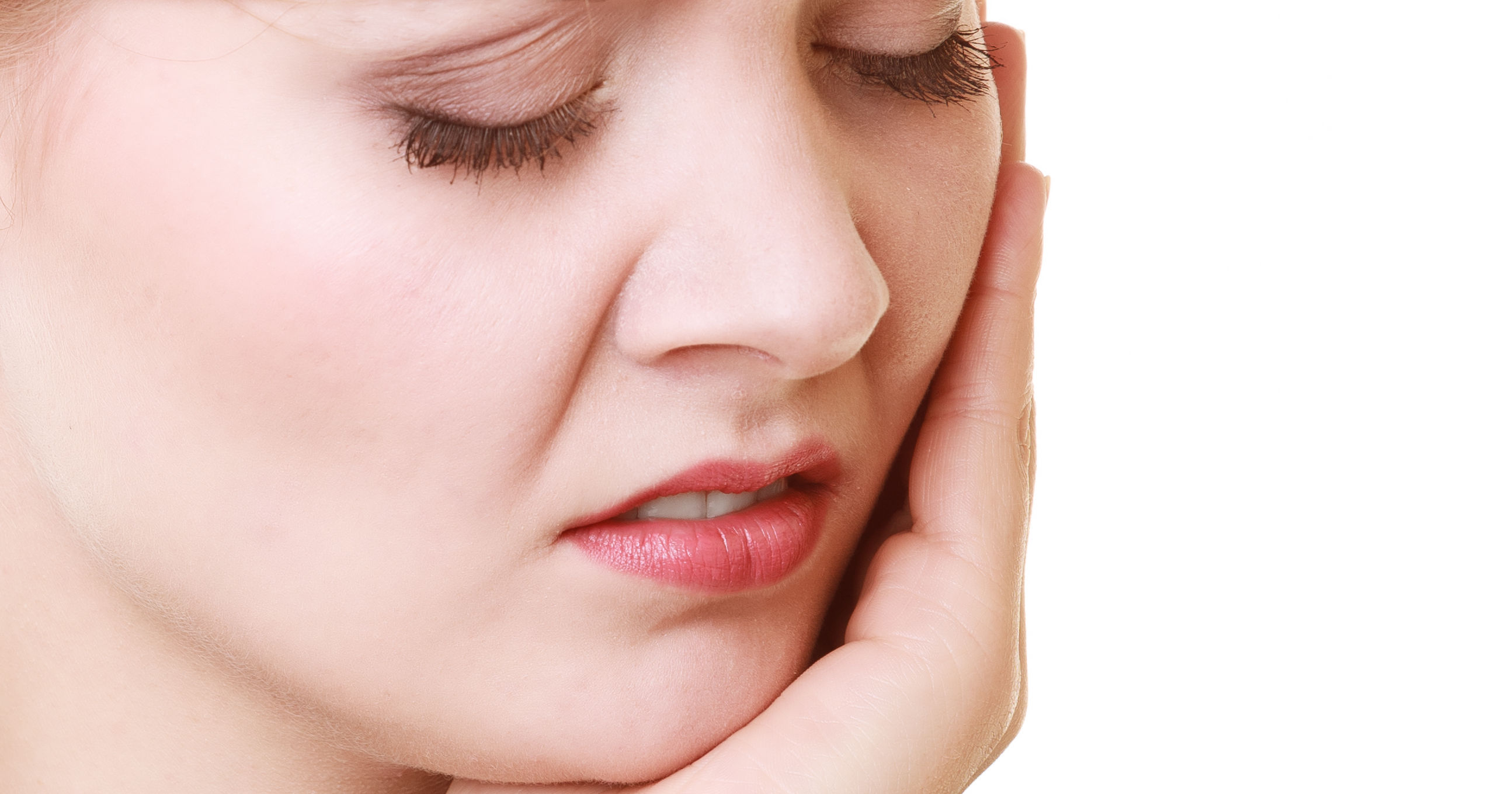
Chiropractic Effective for TMJ Pain After Car Crash in Amite City
Jaw pain is a fairly typical condition experienced by many people after a auto injury, and it can be challenging for some doctors to find the root of the issue. Complicating the issue, very often you won't develop TMJ pain until many weeks or months after a crash.
The Culminating Experience Chiropractic Clinic has treated many individuals with jaw pain after an injury, and the medical literature explains what produces these types of problems. During a auto injury, the tissues in your spine are frequently stretched or torn, causing ligament, muscle, or nerve injury. This can obviously cause pain in the neck and back, but since your nervous system is one functioning unit, irritation of the nerves can cause pain in other parts of your body.
For example, with radicular pain, irritation of a nerve can cause tingling or pins and needles in the arm or hand. Similarly, it can affect parts of your body above the injured tissues, like your head and jaw. Headaches after auto collision are very common because of neck injury, and the TMJ works the same way. The Culminating Experience Chiropractic Clinic sees this very commonly in our Amite City office.
Research Shows Chiropractic Adjustments Helps TMJ Pain After Auto Injury
Research shows that the root of many jaw or TMJ symptoms starts in the cervical spine and that treatment of the underlying neck problem can fix the secondary headaches or jaw symptoms. The key to dealing with these symptoms is simple: The Culminating Experience Chiropractic Clinic will work to return your spinal column back to health, alleviating the inflammatory reaction, treating the injured tissues, and eliminating the irritation to the nerves in your spine.
The Culminating Experience Chiropractic Clinic has found that jaw and headache symptoms often resolve once we restore your spine to its healthy state.
If you reside in Amite City and you've been hurt in a crash, The Culminating Experience Chiropractic Clinic can help. We've been treating auto injury patients for many years and we can probably help you, too. Give our office a call today at (985) 247-2898 for an appointment or consultation.
Ciancaglini R, Testa M, Radaelli G. Association of neck pain with symptoms of temporomandibular dysfunction in the general adult population. Scandinavian Journal of Rehabilitation Medicine 1999;31:17-22.
Brantingham JW, Cassa TK, Bonnefin D, Pribicevic M, Robb A, et al. Manipulative and multimodal therapy for upper extremity and temporomandibular disorders: a system review. Journal of Manipulative and Physiological Therapeutics 2013;36(3):143-201.
Latest Posts
Chiropractic Adjustments Better for Easing Back Issues
June 01, 2026
Chiropractic Effective for TMJ Pain After Car Crash
May 04, 2026
Chiropractic Therapy Can Alleviate Need for Back Surgery
April 06, 2026
Dr. Ford
Dr. LaBentria Brooks Ford, affectionately known as Dr. Bee, did not grow up with the expectation of becoming a chiropractor yet the experiences throughout her life bought her to the crossroads of becoming a Chiropractic Physician. Dr. Bee was born in Independence, Louisiana and raised in Montpelier Louisiana.